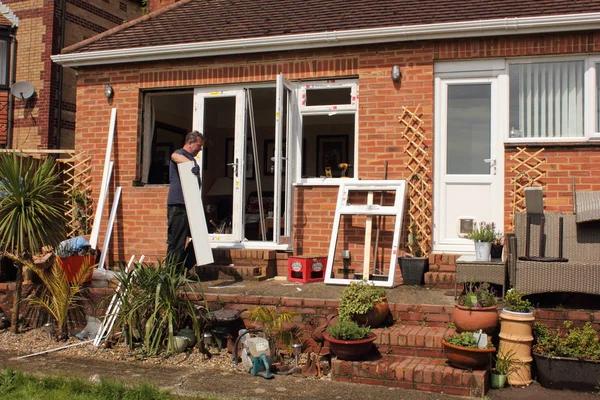
Moisture remediation is an essential process for maintaining the structural integrity and indoor air quality of any building. Whether you are a homeowner, property manager, or involved in construction or renovation projects, understanding what to expect from moisture remediation can significantly enhance your planning and decision-making. Moisture intrusion can lead to a host of problems, including mold growth, wood rot, and damage to building materials, which ultimately compromise the safety and comfort of occupants. Proper moisture remediation addresses these issues by identifying, controlling, and eliminating excess moisture in a timely and effective manner.
One of the first steps in moisture remediation is a thorough inspection and assessment of the affected area. Professionals use specialized tools such as moisture meters and infrared cameras to detect hidden moisture pockets that are not visible to the naked eye. This comprehensive evaluation helps to determine the source of moisture intrusion, which could be due to plumbing leaks, roof damage, poor ventilation, or groundwater seepage. Knowing the exact cause is crucial for developing a targeted remediation plan tailored to your specific needs.
biohazard cleanup in Oregon City OR
After identifying the problem, the next phase involves drying and dehumidification. Industrial-grade dehumidifiers and air movers are commonly used to reduce moisture levels and dry out walls, floors, and ceilings. This step must be carefully monitored to prevent secondary damage such as warping or cracking. Depending on the extent of moisture, this drying process can take several days to weeks. Patience and thoroughness during this stage are vital to ensure that the environment is properly stabilized.
Once the area is dried, mold remediation may be necessary if mold contamination has occurred. Mold not only damages building materials but also poses health risks like allergies and respiratory problems. Certified mold remediation specialists employ containment, air filtration, and removal techniques to safely eradicate mold colonies. After mold removal, affected surfaces may require cleaning, disinfecting, or even replacement.
Planning for moisture remediation also involves considering preventive measures to avoid future problems. This can include repairing leaks promptly, improving ventilation systems, installing vapor barriers, and regular property inspections. Engaging with experienced moisture remediation experts ensures that these solutions are practical and effective for your property’s unique conditions.
In summary, understanding the process and expectations of moisture remediation helps you make informed decisions and prepare adequately. From initial assessment to drying, mold removal, and prevention, each stage plays a critical role in restoring and maintaining a healthy, safe environment. Prioritizing moisture remediation in your planning needs protects your investment and promotes long-term well-being for all occupants.
Restoration Techs
404 Beavercreek Rd #232, Oregon City, OR 97045
971-529-6515