Air conditioning systems are essential for maintaining comfort in our homes, especially during the sweltering summer months. However, when your AC system starts to cycle on and off frequently—a problem known as short cycling—it can lead to inadequate cooling efficiency and increased energy bills. Addressing this issue promptly is crucial not only for comfort but also for the longevity of your AC unit.
Short cycling occurs when an air conditioner turns on and off too quickly without completing a full cooling cycle. This can be caused by various factors such as incorrect thermostat settings, refrigerant leaks, or even an oversized AC unit that cools the space too rapidly. Regardless of the cause, short cycling prevents your home from achieving a consistent temperature and places unnecessary strain on the system’s components.
One common culprit behind short cycling is a malfunctioning thermostat. If your thermostat is not accurately reading the indoor temperature, it may signal the AC to shut off prematurely or turn on unnecessarily. To fix this, ensure that your thermostat is functioning correctly and positioned away from direct sunlight or other heat sources that could affect its readings.
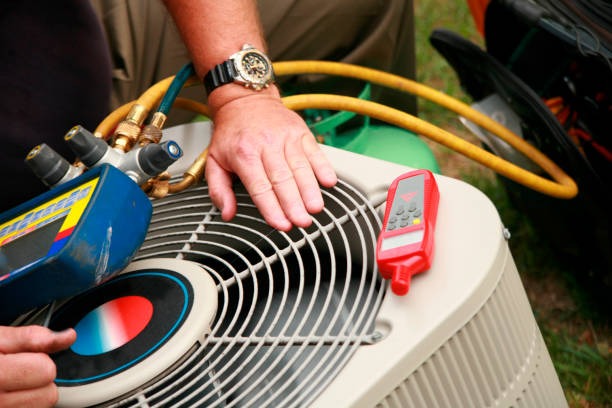
Another potential cause of short cycling is low refrigerant levels due to leaks in the system. Refrigerant click here plays a vital role in absorbing heat from indoor air; if there’s insufficient refrigerant, the evaporator coil may freeze over time, leading to frequent shutdowns of the compressor unit. It’s advisable to contact a professional HVAC technician who can inspect for leaks and recharge the refrigerant if necessary.
In some cases, an oversized air conditioner might be responsible for frequent cycles because it cools down spaces too quickly without removing enough humidity from the air—leading homeowners into thinking their equipment isn’t performing well enough despite being powerful machines themselves! When replacing units altogether becomes inevitable (due either size mismatch issues), consulting with professionals ensures optimal sizing based upon specific needs rather than assumptions alone will prevent future problems like these arising again later down line while maximizing overall performance output simultaneously!