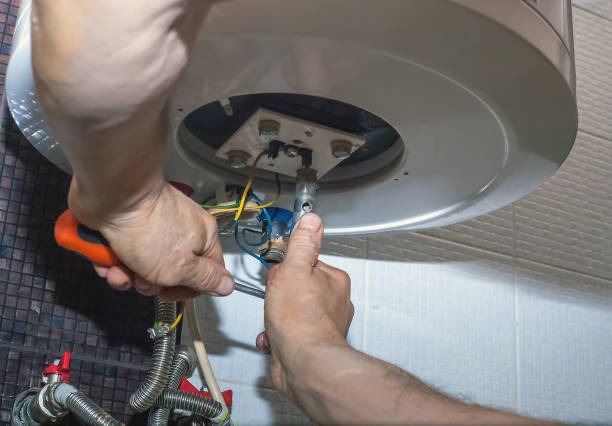
A water heater is an essential appliance in any household, providing the comfort of hot water for various daily activities. However, like any other piece of equipment, it has a lifespan and will eventually require replacement. Recognizing the signs that your water heater needs professional attention can save you from unexpected breakdowns and costly repairs.
One of the most evident indicators that your water heater might need replacing is inconsistent or inadequate hot water supply. If you notice fluctuating temperatures or if it takes longer than usual to heat up, these could be signs of a failing heating element or sediment build-up in the tank. Over time, minerals from hard water accumulate at the bottom of the tank, reducing its efficiency and capacity to produce hot water.
Another clear sign is strange noises coming from your unit. While some noise is normal during operation, loud popping or rumbling sounds are not typical and usually indicate excessive sediment build-up. This sediment causes overheating as it traps steam bubbles trying to escape through layers of mineral deposits.
Leaks around your water heater also signal potential problems that necessitate immediate attention. Puddles or moisture around the base suggest possible fractures in the tank due to corrosion over time. Ignoring leaks can lead to significant damage not only to your appliance but also to surrounding areas in your home.
Additionally, rusty or discolored water emerging from faucets when using hot tap indicates corrosion inside your tank’s lining or pipes connected with it. Rust compromises structural integrity and poses health risks if consumed inadvertently; thus should never be overlooked.
The age factor plays an integral role too—most conventional units last between 8-12 years before they start losing efficiency substantially compared against newer models boasting advanced technology features such as energy-saving modes designed specifically towards extending longevity while minimizing utility bills simultaneously!
Furthermore: escalating electric/gas bills without increased usage patterns highlight underlying issues requiring expert evaluation since inefficient systems draw uncover more power compensating for lost performance capabilities inherent within aging components nearing end-of-life stages otherwise unnoticed until too late already incurred unnecessary expenses avoidable had proactive measures taken earlier instead waiting reactive scenarios arise unexpectedly catching off guard unprepared financially emotionally stressed out dealing aftermath consequences preventable foresight applied correctly initially avoiding pitfalls altogether ultimately saving money peace mind long-term investments future-proofing households wisely choosing replace timely manner ensures uninterrupted service reliability satisfaction guaranteed knowing done right first place professionals handle task efficiently effectively every step way ensuring smooth transition old new installations seamlessly integrated existing setups hassle-free experience overall leaving homeowners confident decisions made best interests heart forefront considerations paramount importance always top priority!