When planning to install a durable fence, addressing any tree stumps in the area is crucial. Stump grinding, an essential preparatory step, ensures a smooth installation process and contributes to the longevity of your new fence. Implementing best practices for stump grinding can significantly impact the stability and aesthetic appeal of your fencing project.
Firstly, evaluate the site thoroughly before beginning any work. Identify all tree stumps within proximity to where you plan to install your fence. Consider their size and age as these factors influence how easily they can be removed. Older or larger stumps may require more powerful equipment or professional assistance.
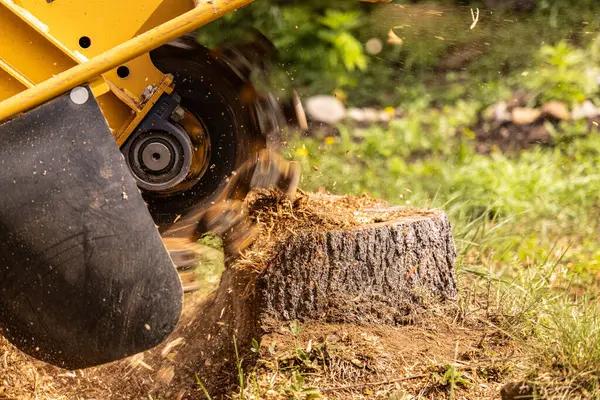
Once you’ve assessed the site, gather appropriate tools and equipment for Stump Grinding in Springfield, IL grinder is necessary for this task; it’s designed specifically to chip away at wood until nothing remains above ground level. Ensure that you have protective gear such as gloves, goggles, and ear protection before starting this potentially hazardous job.
Before operating a stump grinder, clear the area around each stump of debris like rocks, branches, or other obstacles that could interfere with machinery operation or pose safety risks. Mark utility lines clearly if they run near your working area—contacting local utility companies beforehand can prevent accidental damage during grinding.
When ready to grind a stump down, position the machine over its center according to manufacturer instructions for optimal results. Begin by lowering the cutting wheel into contact with wood surface gradually rather than forcefully; this approach minimizes wear on both equipment and operator while achieving cleaner cuts through thick roots.
As you proceed with grinding operations across multiple sites along future fence lines remember consistent depth matters greatly: aim uniformly below soil level so no remnants remain visible after completion (usually 6-8 inches). This practice not only prevents potential interference but also deters pests from inhabiting decayed materials left behind underground which might otherwise compromise structural integrity later on when posts are set firmly into place nearby them too soon afterward without proper clearance being made first!