Integrating solar installation into new construction projects has become an increasingly popular choice for builders and property owners seeking sustainable energy solutions. Solar power offers numerous benefits, including reduced electricity costs, decreased carbon footprint, and enhanced property value. When planning solar installation during the early stages of construction, developers can optimize system design to maximize efficiency and cost-effectiveness. Early integration allows for proper placement of solar panels on rooftops or other suitable surfaces, ensuring optimal sun exposure throughout the day. It also facilitates the incorporation of necessary electrical infrastructure without extensive retrofitting or additional expenses later on.
The process begins with a thorough site assessment to evaluate factors such as roof orientation, shading from nearby structures or trees, and available space luxury resort wear for men panel placement. This evaluation helps determine the most efficient layout and type of solar technology to use. Working closely with architects and engineers during design phases ensures that structural supports accommodate panel weight while maintaining building integrity. Additionally, integrating solar systems early enables seamless connection to electrical wiring plans and energy management systems within the building.
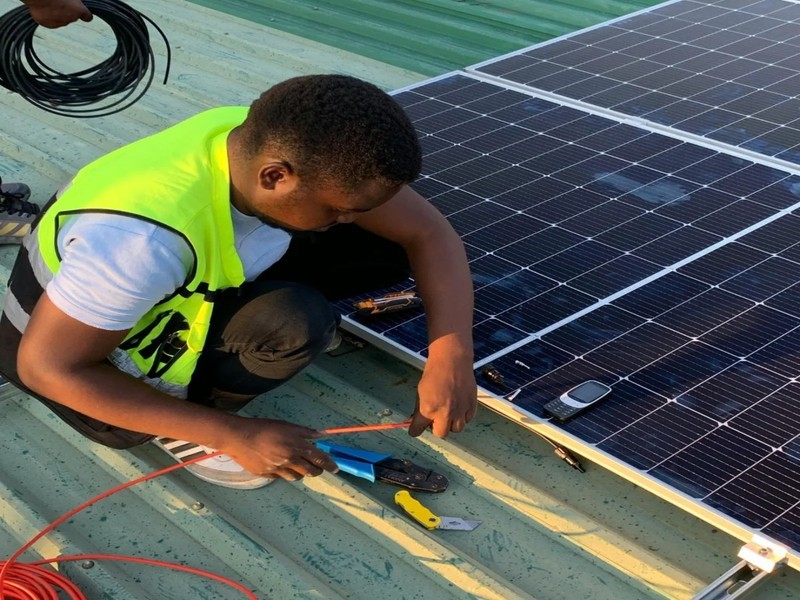
Once construction reaches appropriate milestones, professional technicians install photovoltaic panels along with inverters that convert sunlight into usable electricity. Proper mounting techniques secure panels against weather elements while allowing airflow to prevent overheating. Electrical connections are carefully established following safety codes and industry standards to guarantee reliable operation over time.
Maintenance plays a crucial role in preserving system performance after installation is complete. Regular inspections help identify potential issues such as loose wiring, damaged panels, or inverter malfunctions before they lead to significant power loss or costly repairs. Cleaning panels periodically removes dirt, dust, and debris that can obstruct sunlight absorption; this task is especially important in dusty environments or regions prone to pollen accumulation.
Routine monitoring through software platforms provides real-time data on energy production levels compared with expected outputs based on weather conditions. Any deviations may indicate underlying problems requiring prompt attention by qualified service providers.
Incorporating warranties from manufacturers alongside maintenance contracts ensures long-term support for both hardware components and labor services involved in upkeep activities. As technology advances rapidly within the renewable energy sector, staying informed about upgrades can further enhance system efficiency throughout its lifespan.
Overall, integrating solar installations into new construction projects demands careful coordination among designers, installers, and maintenance teams but results in substantial environmental benefits coupled with financial savings over time. Proper planning combined with ongoing care guarantees that buildings harness clean energy effectively while contributing positively toward sustainability goals embraced worldwide today.