Proper maintenance of your heating, ventilation, and air conditioning (HVAC) system is crucial for ensuring its efficiency, longevity, and the comfort of your home. Homeowners can take several practical steps to keep their HVAC units running smoothly throughout the year. Regularly changing or cleaning air filters is one of the simplest yet most effective ways to maintain system performance. Dirty filters restrict airflow, forcing the system to work harder and consume more energy while also reducing indoor air quality. It’s advisable to check filters monthly during peak usage seasons and replace them every one to three months depending on filter type and household conditions.
Another important aspect involves keeping outdoor condenser units clear of debris such as leaves, dirt, and grass clippings. These obstructions can block airflow around learn the ins and outs cause overheating or inefficient operation. Trimming back vegetation at least two feet from all sides allows proper ventilation for heat exchange processes essential in cooling functions. Additionally, homeowners should inspect evaporator coils inside the indoor unit annually since dust accumulation on these coils reduces heat absorption capacity.
Ensuring that thermostat settings are appropriate for different times of day helps optimize energy use without sacrificing comfort. Programmable thermostats offer convenience by automatically adjusting temperatures when residents are asleep or away from home, thus preventing unnecessary heating or cooling expenses. Calibration checks may be necessary if temperature readings seem inaccurate compared to actual room conditions.
Ductwork inspection is another critical maintenance area often overlooked by homeowners. Leaky or poorly insulated ducts can lead to significant energy losses as conditioned air escapes before reaching living spaces. Sealing leaks with mastic sealant or metal tape improves efficiency considerably while enhancing overall system performance.
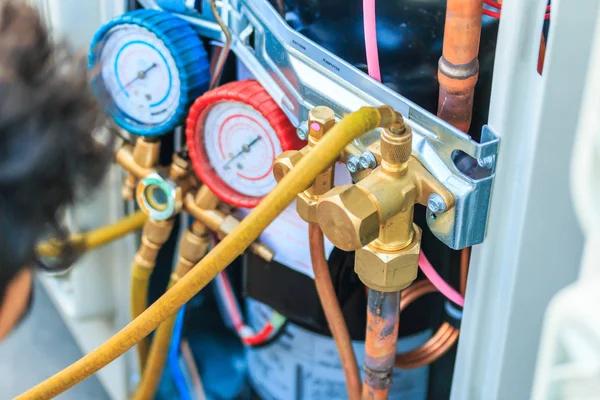
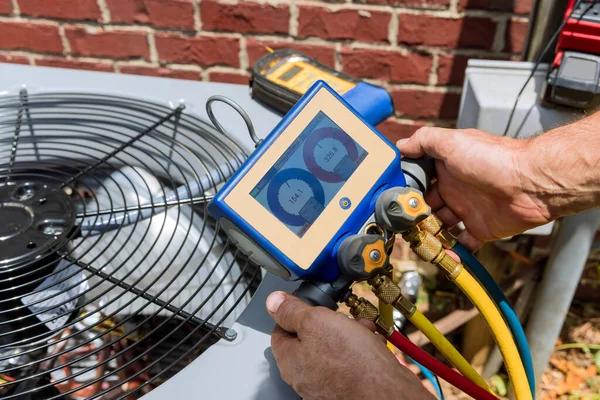
Scheduling professional inspections at least once a year ensures that complex components like refrigerant levels, electrical connections, blower motors, and safety controls receive thorough evaluation by trained technicians who can detect early signs of wear or malfunction before costly breakdowns occur.
Finally, maintaining clear access around HVAC equipment facilitates routine servicing tasks without hindrance while minimizing potential hazards associated with cluttered mechanical areas.
By following these essential HVAC maintenance tips diligently throughout each season, homeowners not only extend their system’s lifespan but also enjoy improved indoor comfort alongside reduced utility bills over time through enhanced operational efficiency.