
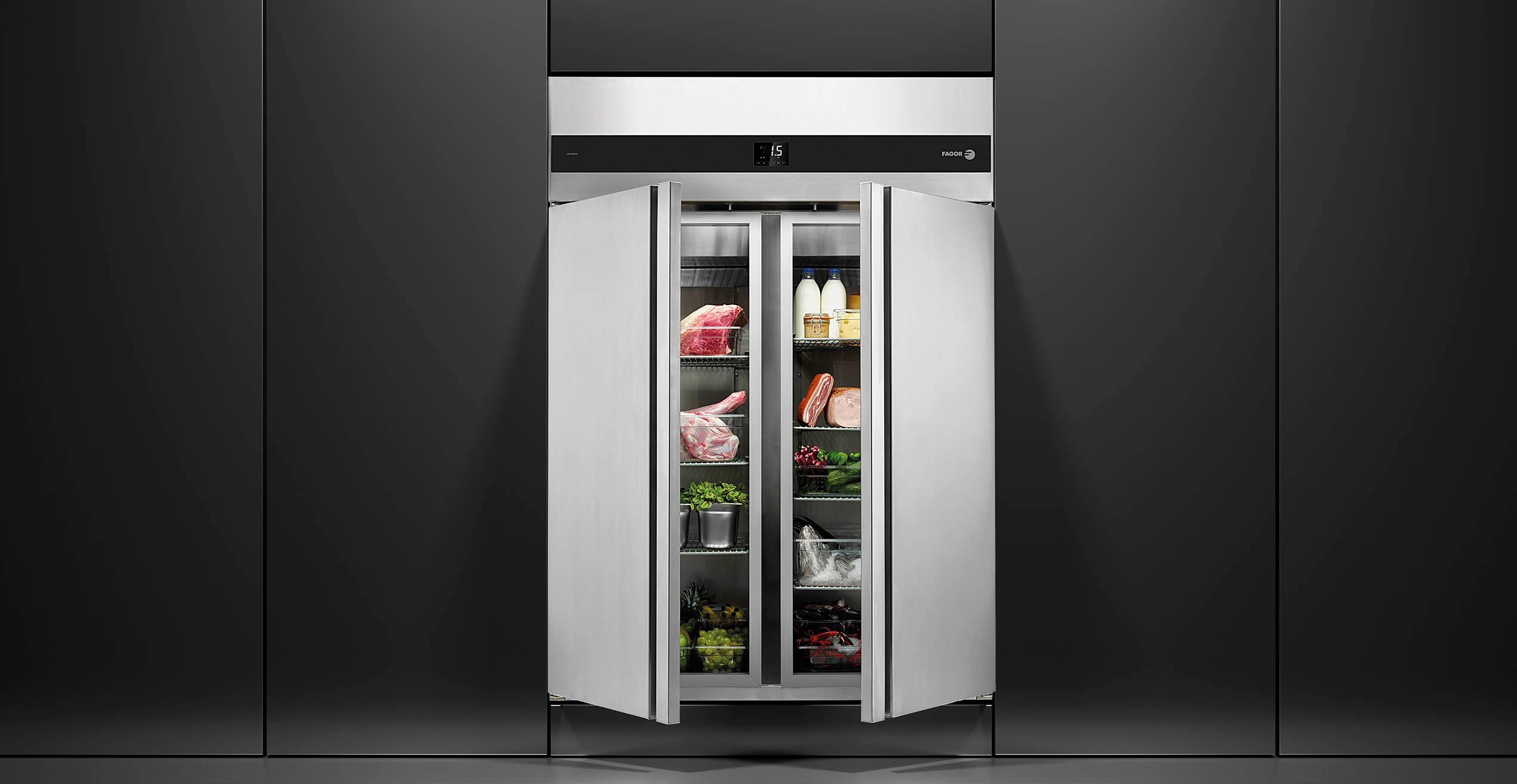
Commercial refrigeration plays a vital role in the smooth functioning of food service and retail operations by ensuring that perishable products remain fresh, safe, and appealing to customers. These refrigeration systems are designed specifically for commercial environments where large quantities of food need to be stored at precise temperatures. By maintaining consistent cooling conditions, commercial refrigerators help prevent spoilage and slow down the growth of harmful bacteria, which is essential for meeting health regulations and protecting consumer safety.
In restaurants, cafes, and catering services, reliable refrigeration units allow chefs and kitchen staff to store ingredients such as meats, dairy products, vegetables, and prepared dishes efficiently. This capability reduces waste by extending the shelf life of raw materials and finished meals alike. Additionally, having appropriate refrigeration solutions enables businesses to plan their inventory better without risking product deterioration due to temperature fluctuations or insufficient storage space. Commercial refrigerators also support operational efficiency by providing quick access to chilled items during busy periods when speed is critical.
Retail establishments like grocery stores, supermarkets, convenience stores, and specialty food shops depend heavily on Commercial Refrigeration equipment to display fresh produce while preserving quality. Display cases with glass fronts not only keep foods cold but also attract customers through clear visibility of fruits, meats, seafoods, or beverages. Maintaining optimal temperatures in these settings prevents moisture loss or texture changes that could reduce product appeal over time. Properly functioning refrigeration units thus contribute directly to sales performance by enhancing customer satisfaction with freshness guarantees.
Energy efficiency is another important aspect where modern commercial refrigeration systems benefit both food service providers and retailers financially. Advances in technology have led to more sustainable models that consume less electricity while delivering consistent cooling power. Lower energy consumption translates into reduced operating costs without compromising storage capabilities or temperature control accuracy. Furthermore, many contemporary units feature smart controls allowing users to monitor conditions remotely or adjust settings based on demand patterns.
Maintenance considerations are crucial as well because poorly maintained refrigerators can lead to costly breakdowns or contamination risks affecting business reputation negatively. Regular upkeep ensures components such as compressors or seals operate correctly over time while minimizing downtime during peak hours.
Overall, commercial refrigeration supports food service and retail operations by safeguarding product integrity from storage through presentation stages; it enhances operational workflows; minimizes losses related to spoilage; improves customer experience through effective merchandising; lowers energy expenses with efficient designs; finally promotes compliance with safety standards essential within the industry environment where freshness equates directly with trustworthiness and profitability.