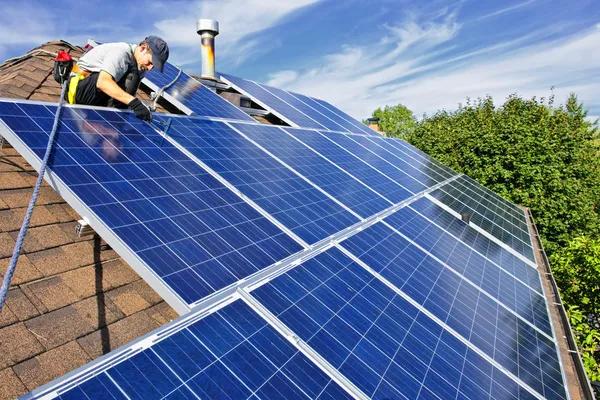
Investing in solar panels has become increasingly popular as homeowners and businesses seek sustainable energy solutions while reducing electricity costs. One of the key factors driving this adoption is the availability of tax benefits and financial incentives that help offset the initial installation expenses. These programs vary by country, state, or region but generally aim to encourage renewable energy use by making solar panel systems more affordable.
In many countries, federal tax credits are among the most significant financial incentives for solar panel installations. For example, in the United States, the Investment Tax Credit (ITC) allows taxpayers to deduct a percentage of their solar system costs directly from their federal taxes. This credit applies to both residential and commercial properties and can significantly reduce upfront costs. The ITC typically covers a substantial portion of equipment and labor expenses related to installing photovoltaic panels, helping make clean energy accessible to a wider audience.
Besides federal programs, numerous states offer additional rebates or tax credits that further decrease out-of-pocket spending on solar projects. Some states provide performance-based incentives where payments depend on how much electricity your system generates over time. Others might offer property tax exemptions so that increasing your home’s value with solar does visit our site not lead to higher local property taxes. Sales tax exemptions may also apply in certain areas, meaning you do not pay sales taxes when purchasing eligible solar equipment.
Local utilities often contribute through net metering policies or direct cash rebates for customers who install rooftop panels. Net metering enables homeowners to sell excess electricity generated back to the grid at retail rates or receive credits on future bills, improving return on investment substantially. Cash rebates reduce installation costs immediately by providing lump-sum payments after project completion or during purchase.
Some regions extend support beyond monetary savings by offering low-interest loans or grants specifically designed for renewable energy upgrades like solar power systems. These financing options make it easier for individuals without sufficient upfront capital to adopt cleaner technologies while enjoying long-term savings on utility bills.
It is important for potential buyers to research available incentives carefully since eligibility requirements differ widely depending on location and specific program rules. Consulting with professional installers familiar with local regulations can ensure applicants maximize benefits effectively without missing opportunities due to paperwork errors or misunderstandings.
Overall, government-backed tax benefits combined with state-level initiatives create an attractive economic environment for investing in solar energy solutions today. By leveraging these financial tools wisely, consumers can lower installation barriers while contributing positively toward environmental sustainability goals worldwide through cleaner power generation alternatives that reduce dependence on fossil fuels and decrease greenhouse gas emissions over time.