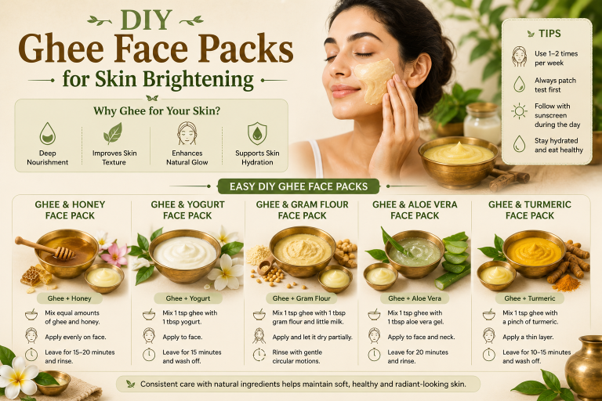
Natural skincare remedies have gained tremendous popularity as people seek simple, nourishing ingredients to support healthy and radiant skin. Among the many traditional ingredients used in Ayurvedic beauty practices, ghee has earned a special place due to its moisturizing and skin-conditioning properties. Rich in beneficial fats and known for its soothing nature, ghee has been used for generations as part of holistic skincare routines.
Many skincare enthusiasts are also familiar with 100 times washed ghee cream, an Ayurvedic preparation that transforms traditional ghee into a smooth, cooling formulation for topical use. Its growing popularity has renewed interest in the broader skincare benefits of ghee and inspired many people to incorporate it into homemade beauty treatments.
Some individuals even refer to ghee-based skincare products as a brightening ghee cream because well-nourished and hydrated skin often appears healthier, smoother, and more radiant. While ghee does not change natural skin tone, it can support a glowing complexion by improving hydration and skin comfort.
How Ghee Supports Healthy-Looking Skin
Ghee contains natural lipids that help support the skin’s moisture barrier and improve softness.
Its skincare benefits may include:
- Supporting hydration
- Reducing dryness
- Improving skin texture
- Enhancing skin comfort
- Promoting a healthy glow
When the skin is properly moisturized, it often appears more radiant and balanced. Dryness and dehydration can contribute to dullness, making nourishing ingredients an important part of many skincare routines.
Ghee’s rich yet gentle nature makes it suitable for use in homemade face packs designed to support healthy-looking skin.
Preparing Your Skin Before Applying Face Packs
Before applying any face pack, proper skin preparation is essential.
Start by cleansing your face with a gentle cleanser to remove:
- Dirt
- Excess oil
- Makeup residue
- Environmental pollutants
Pat the skin dry with a soft towel rather than rubbing aggressively. Clean skin allows the ingredients in the face pack to make better contact with the skin’s surface and improves the overall experience.
It is also a good idea to perform a patch test whenever trying a new ingredient combination, especially for individuals with sensitive skin. Taking these simple precautions helps support a comfortable skincare routine.
Ghee and Honey Face Pack
One of the simplest DIY face packs combines ghee with honey.
Honey is widely appreciated for its moisturizing properties and works well alongside ghee to support skin softness and hydration.
To prepare:
- Mix one teaspoon of ghee with one teaspoon of honey.
- Stir until the ingredients are well blended.
- Apply a thin layer to the face.
- Leave on for 15–20 minutes.
- Rinse with lukewarm water.
This face pack can help improve skin comfort and leave the complexion feeling soft and refreshed.
Ghee and Yogurt Face Pack
Yogurt is a common ingredient in traditional skincare remedies because of its smooth texture and nourishing qualities.
Combined with ghee, it creates a moisturizing face pack that may help support a brighter and more refreshed appearance.
To prepare:
- Mix one teaspoon of ghee with one tablespoon of plain yogurt.
- Blend until smooth.
- Apply evenly to the face.
- Leave on for 15 minutes.
- Wash off gently with water.
The creamy consistency makes this pack easy to apply and comfortable to wear. Many users find that it leaves the skin feeling hydrated and smooth after use.
Ghee and Gram Flour Face Pack
Gram flour, also known as besan, has long been used in traditional beauty practices.
When combined with ghee, it creates a face pack that supports gentle cleansing while maintaining moisture.
To prepare:
- Mix one teaspoon of ghee with one tablespoon of gram flour.
- Add a small amount of water or milk to create a paste.
- Apply evenly to the face.
- Allow it to dry partially.
- Rinse with gentle circular motions.
This combination can help improve the overall feel and appearance of the skin while avoiding excessive dryness. The balance between cleansing and nourishment makes it a popular homemade skincare option.
Ghee and Aloe Vera Face Pack
Aloe vera is widely known for its soothing and hydrating properties.
Combining aloe vera gel with ghee creates a refreshing face pack that can be especially enjoyable during warm weather.
To prepare:
- Mix one teaspoon of ghee with one tablespoon of fresh aloe vera gel.
- Blend thoroughly.
- Apply to the face and neck.
- Leave on for approximately 20 minutes.
- Rinse with cool water.
This combination provides a lightweight yet nourishing treatment that many people find comforting. It may help support hydration and contribute to a refreshed appearance.
Ghee and Turmeric Face Pack
Turmeric has been a respected ingredient in Ayurvedic beauty rituals for centuries.
A small amount combined with ghee creates a traditional face pack that supports overall skin wellness.
To prepare:
- Mix one teaspoon of ghee with a pinch of turmeric.
- Stir until evenly blended.
- Apply a thin layer to the skin.
- Leave on for 10–15 minutes.
- Wash off thoroughly.
Because turmeric can temporarily stain the skin or clothing, only a small amount should be used. Many people include this combination as part of their occasional skincare routine rather than daily use.
How Often Should You Use DIY Ghee Face Packs?
Consistency is important, but overuse is not always necessary.
Most DIY face packs can be used:
- One to two times per week
- As part of a self-care routine
- During periods of increased dryness
- When the skin feels dull or dehydrated
The ideal frequency depends on individual skin type and personal preferences.
Monitoring how the skin responds can help determine the most suitable schedule.
Maintaining a balanced skincare routine is generally more beneficial than applying treatments excessively.
Supporting Skin Brightness Beyond Face Packs
Face packs can complement a healthy skincare routine, but long-term skin radiance is influenced by several factors.
These include:
- Adequate hydration
- Proper sleep
- Daily sun protection
- Balanced nutrition
- Consistent moisturization
Healthy skin often reflects overall wellbeing.
While DIY treatments can provide temporary nourishment and comfort, maintaining healthy lifestyle habits plays an equally important role in supporting a vibrant complexion.
Common Mistakes to Avoid
When using homemade face packs, it is important to follow a few basic guidelines.
Avoid:
- Using excessive amounts of ingredients
- Applying face packs to irritated skin
- Ignoring patch testing
- Leaving treatments on for excessively long periods
- Skipping sunscreen during the day
Simple and gentle routines often work best. The goal is to support the skin rather than overwhelm it with too many ingredients or treatments.
Conclusion
DIY ghee face packs offer a natural and traditional way to nourish the skin and support a healthy, radiant appearance. By combining ghee with ingredients such as honey, yogurt, gram flour, aloe vera, and turmeric, individuals can create simple treatments that help improve hydration, softness, and overall skin comfort.
While these face packs do not alter natural skin tone, they can contribute to a brighter-looking complexion by addressing dryness and supporting healthy skin function. Consistent skincare habits, combined with proper hydration, sun protection, and overall wellness practices, remain essential for maintaining long-term skin health.
As interest in natural beauty continues to grow, ghee-based skincare remedies remain a timeless example of how traditional ingredients can be incorporated into modern self-care routines to support healthy and glowing skin.