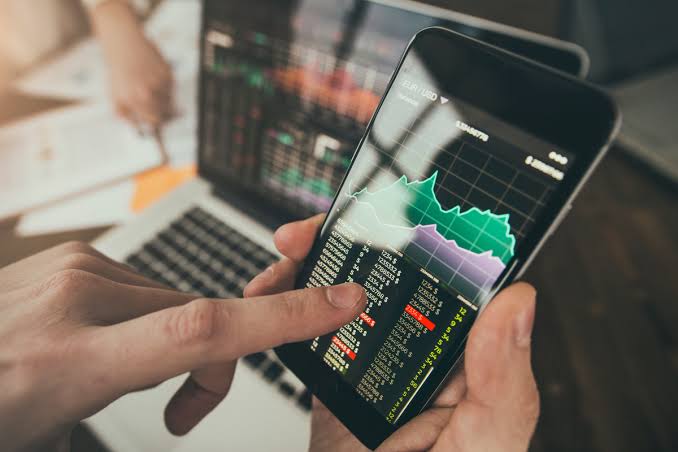
Selecting a trusted crypto broker is a crucial step for anyone looking to enter the world of cryptocurrency trading. With the rapid growth of digital assets, many platforms have emerged, making it challenging for beginners to identify reliable brokers. Understanding key factors can help ensure a safe and positive trading experience.
First and foremost, regulation should be a top priority when choosing a crypto broker. Regulated brokers operate under strict guidelines set by financial authorities, which helps protect investors from fraud and malpractice. Before committing funds, verify whether the broker is licensed by reputable agencies such as the Financial Conduct Authority (FCA), Securities and Exchange Commission (SEC), or other recognized bodies depending on your jurisdiction.
Security measures are equally important in safeguarding your investments. Look for brokers that employ advanced security protocols like two-factor authentication (2FA), cold storage of assets, encryption technologies, and regular security audits. These features reduce the risk of hacking or unauthorized access to your account.
Transparency also plays an essential role in building trust with users. A credible broker will provide clear information about fees, trading conditions, withdrawal processes, and customer support availability. Hidden charges or vague terms can lead to unexpected costs or difficulties when managing your account.
User reviews Redem Strategies and community feedback offer valuable insights into a broker’s reputation. Take time to read testimonials on forums, social media platforms, or review websites where experienced traders share their experiences. While no platform is perfect, consistent complaints about withdrawal delays or poor customer service may indicate red flags worth avoiding.
Another consideration is the variety of cryptocurrencies offered by the broker. Beginners might prefer brokers that support popular coins like Bitcoin (BTC), Ethereum (ETH), and Litecoin (LTC). However, some platforms also provide access to emerging altcoins if you wish to diversify later on.
Ease of use matters significantly for newcomers who may not be familiar with complex trading interfaces. Choose brokers that offer intuitive platforms with straightforward navigation tools alongside educational resources such as tutorials or demo accounts that allow practicing without risking real money.
Lastly, consider payment options supported by the broker including bank transfers, credit cards, e-wallets like PayPal or Skrill which add convenience during deposits and withdrawals.