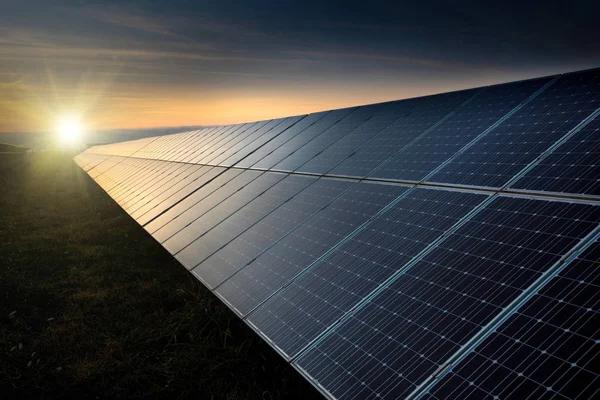
Solar panels have become an increasingly popular choice for homeowners and businesses looking to harness renewable energy and reduce electricity bills. However, the efficiency of a solar panel system largely depends on its placement. Proper positioning ensures maximum exposure to sunlight, resulting in optimal power generation. Here are some essential tips for placing solar panels effectively.
First and foremost, consider the orientation of your solar panels. In the northern hemisphere, south-facing panels typically receive the most sunlight throughout the day, making this direction ideal for maximizing energy production. Conversely, in the southern hemisphere, north-facing installations are preferable. It’s important to ensure that there are no significant obstructions like trees or buildings blocking sunlight from reaching your panels.
The tilt angle of your solar panels is another critical factor influencing their performance. The angle should be adjusted according go to website your geographical location’s latitude to capture as much sunlight as possible throughout the year. For instance, if you live at a latitude of 30 degrees, setting your panel’s tilt angle close to this value can help optimize energy absorption during different seasons.
Additionally, take into account seasonal variations in sun path when determining panel placement. During winter months, when the sun is lower in the sky, it may be necessary to adjust panel angles or even reposition them slightly to maintain efficient energy collection.
Shading is one of the biggest enemies of solar panel efficiency; even partial shading can significantly decrease output by affecting entire strings of cells within a module due to how they’re wired together. Therefore, it’s crucial not only during initial installation but also over time as trees grow or structures change around them that you monitor potential sources causing shade on any part(s) thereof—ensuring none cast shadows onto these valuable assets!
Roof-mounted systems often offer convenient locations with minimal obstruction risks while ground-mounted options provide more flexibility regarding orientation & inclination adjustments based upon specific site conditions encountered therein (e.g., uneven terrain). Ground mounts might require additional space but allow greater control over optimizing layout configurations tailored precisely towards achieving peak performance levels desired accordingly given particular circumstances present themselves uniquely per case basis encountered individually herein discussed further below…
In urban settings where rooftops dominate landscapes available limitedly otherwise elsewhere perhaps instead consider utilizing innovative solutions such as vertical installations along walls orientated favorably relative surrounding environment features influencing outcomes positively thereby enhancing overall efficacy achieved via strategic planning efforts undertaken beforehand meticulously ensuring success realized ultimately thereafter through diligent execution processes followed diligently consistently without fail continuously ongoing everlastingly perpetually so long-lasting benefits enjoyed indefinitely henceforth always forevermore amen!