
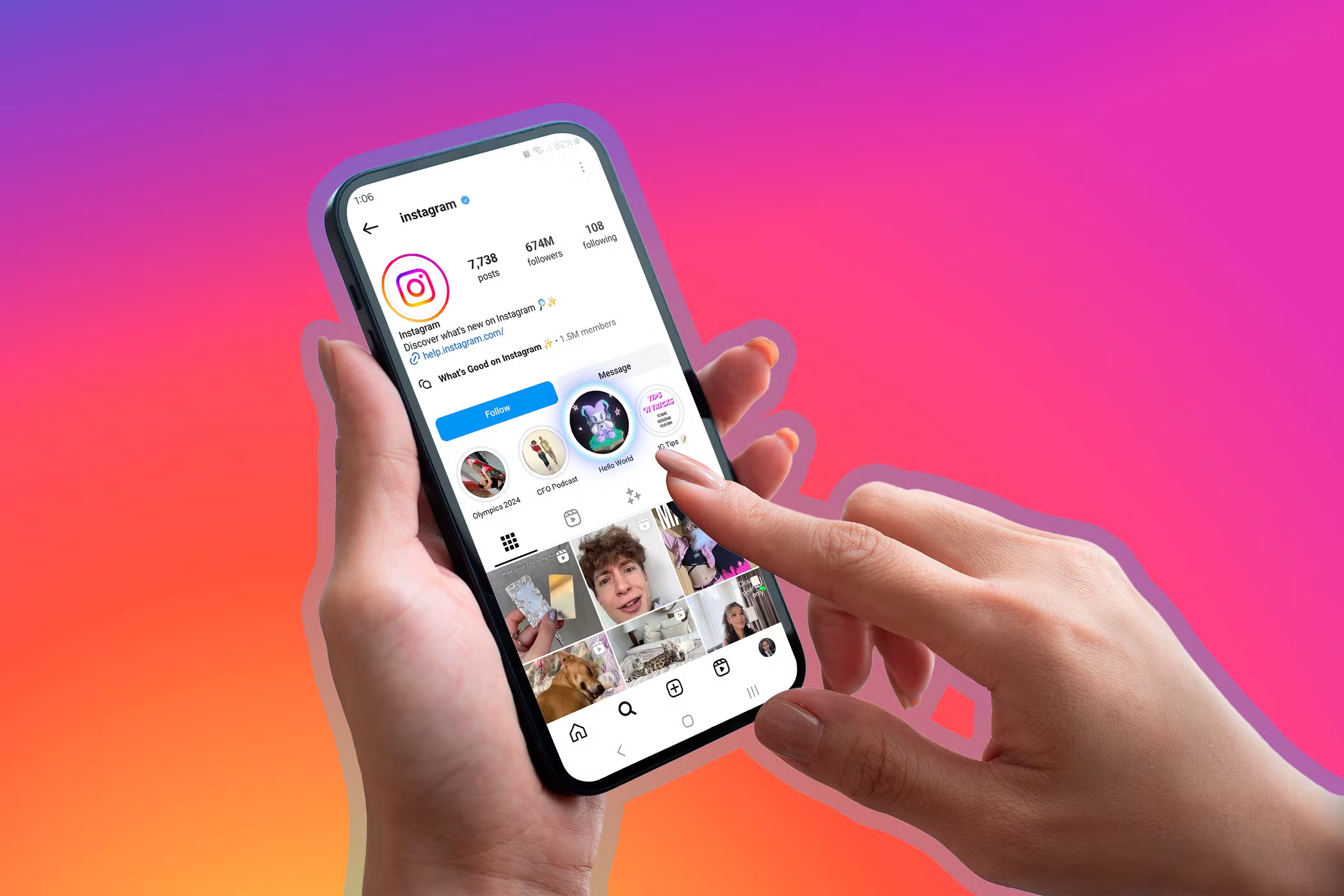
In the digital age, social media platforms have become a central part of everyday communication and information sharing. People use these platforms not only to connect with friends and family but also to explore public stories and posts that provide insights into various aspects of life, culture, events, and opinions. However, privacy concerns often arise when users want to view content without revealing their identity or presence. This is where the concept of exploring public stories and posts with an unseen profile comes into play.
Exploring public content anonymously allows users to browse through updates, photos, videos, and other shared materials without alerting the original poster that someone has viewed their profile or story. Many social media applications notify users when someone views their story or post, which can sometimes deter individuals from freely exploring content due to privacy reasons or fears of being judged. Using an unseen profile offers a way around this by giving viewers the freedom to observe publicly available information discreetly.
One common method for achieving anonymity is by creating secondary accounts that do not disclose personal details. These accounts are often set up solely for viewing purposes and do not engage in interactions such as liking or commenting on posts. While this approach works effectively on many platforms like Instagram or Facebook Stories where viewer lists are visible to content creators, it requires managing multiple profiles which can be inconvenient.
Another approach involves utilizing third-party apps or browser extensions designed specifically for anonymous viewing of social media stories and posts. These tools allow users to input a username or link and then access the desired content Unseen profile anonymous Instagram viewer without logging into an account associated with their real identity. Although convenient, it is essential to exercise caution while using such services since they may pose security risks including data breaches or violating platform terms of service.
Some platforms themselves offer limited options for private browsing modes within their native apps but generally restrict full anonymity features due to concerns about misuse or harassment prevention measures. Nonetheless, understanding how these features work helps users make informed choices regarding what they share publicly versus privately online.
The benefits of exploring public stories and posts through unseen profiles extend beyond mere curiosity; it aids journalists researching sensitive topics without compromising sources’ safety; marketers analyzing competitors’ campaigns discreetly; educators gathering diverse perspectives without bias; and even everyday individuals seeking inspiration while maintaining personal boundaries.
However, ethical considerations must guide anonymous browsing practices as well. Respecting others’ privacy settings-such as refraining from accessing restricted content-and avoiding malicious intent ensures responsible use of anonymity tools in digital spaces.
In conclusion, exploring public stories and posts with an unseen profile presents both opportunities and challenges in today’s interconnected world. It empowers users to stay informed while protecting their privacy but demands mindfulness about ethical implications along the way. As technology evolves further towards balancing transparency with confidentiality online will remain a dynamic area requiring ongoing attention from platform developers as well as end-users alike.