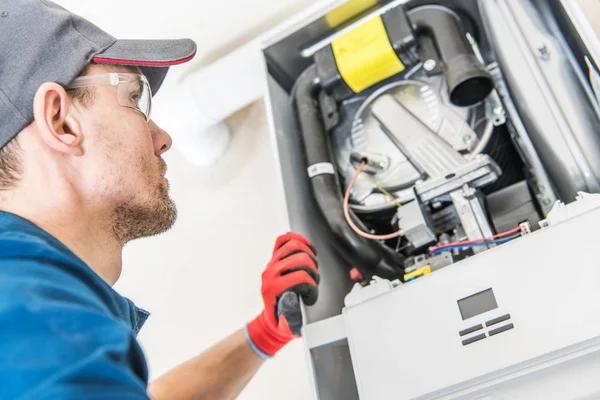
Keeping your home comfortable throughout the year is essential, and a crucial component of that comfort is ensuring your furnace is functioning efficiently. Recognizing the signs that indicate you may need to replace your furnace can save you from unexpected breakdowns, costly repairs, and discomfort during colder months. Being proactive about furnace replacement not only enhances home comfort but also improves energy efficiency and reduces utility bills.
One of the most apparent signs that it might be time for a new furnace is its age. Most furnaces have a lifespan of 15 to 20 years. If your system falls within or beyond this range, it’s wise to start considering replacement options. An aging furnace often struggles to maintain consistent temperatures and becomes less efficient over time, which can lead to increased energy consumption.
Another indicator is the frequency of repairs. If you find yourself frequently calling in professionals for repairs, it might be more cost-effective in the long run to invest in a new unit rather than continually patching up an old one. Frequent repairs are not only inconvenient but also add up financially over time.
Rising energy bills are another red flag pointing towards potential issues with your furnace. As furnaces age, they check website lose their efficiency due to wear and tear on internal components. This inefficiency causes them to work harder than necessary, leading to higher electricity or gas usage reflected in increased utility bills.
Strange noises emanating from your furnace should not be ignored either. While some noise during operation is normal, loud bangs, rattles, or squeals could indicate serious issues such as loose parts or motor problems that may necessitate replacement rather than repair.
Inconsistent heating throughout different areas of your home can also signal trouble with your current system’s ability to distribute heat evenly. If certain rooms feel colder than others despite adjustments made at the thermostat level—this imbalance suggests inefficiency possibly stemming from an outdated unit struggling under demand.
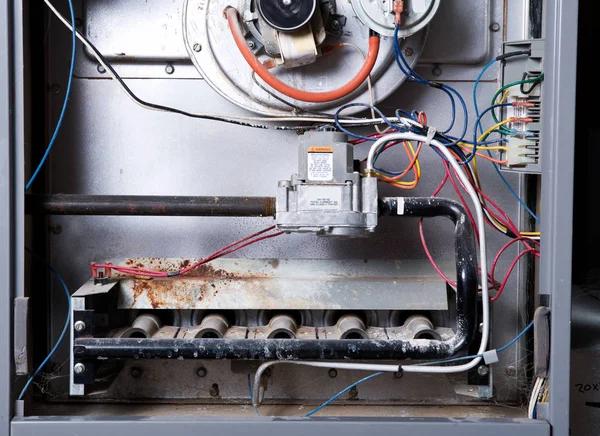
Additionally important are any visible signs like rust buildup around vents indicating moisture accumulation—a clear sign something isn’t right internally—and yellow burner flames instead of blue ones suggesting improper combustion potentially dangerous due carbon monoxide production risk involved here too!
Finally yet importantly consider indoor air quality; older systems tend accumulate dust allergens reducing overall health safety standards indoors thus impacting family well-being negatively especially those suffering respiratory conditions allergies asthma etcetera hence timely intervention critical maintaining optimal living environment everyone concerned ultimately benefitting greatly doing so proactively avoiding future hassles unnecessary stress expenses altogether thereby ensuring peace mind knowing loved ones safe sound cozy haven called ‘home’ always!