A clogged condensate drain can significantly impact the performance of your air conditioning (AC) system, leading to a host of problems that could compromise comfort and efficiency. Understanding how this seemingly minor issue can affect your AC’s functionality is crucial for maintaining optimal performance and avoiding costly repairs.
The condensate drain in an AC system plays a vital role in removing excess moisture generated during the cooling process. As warm air passes over the evaporator coil, it cools down, causing moisture to condense into water droplets. This water needs an exit path, which is provided by the condensate drain line. If this line becomes clogged with dirt, algae, or debris, the water has nowhere to go here but back into the system or out onto surrounding areas.
One immediate consequence of a blocked condensate drain is water leakage around your indoor unit. This leakage not only poses a risk of water damage to floors and walls but also creates ideal conditions for mold growth. Mold thrives in damp environments and can quickly spread throughout your home via the ventilation system once established near your AC unit. The presence of mold not only affects indoor air quality but also poses health risks such as allergies and respiratory issues.
Moreover, when excess moisture cannot be effectively drained away due to a clog, it may lead to increased humidity levels indoors. Higher humidity makes it harder for an AC unit to maintain comfortable temperatures because more energy is required to remove moisture from the air before cooling it down further. This inefficiency results in longer run times for your AC system, increasing wear and tear on components while driving up energy consumption and utility bills.
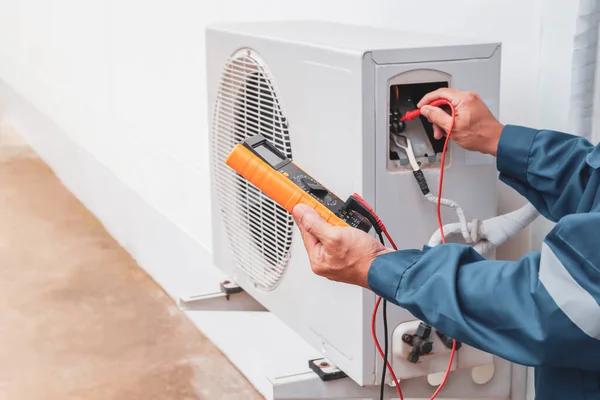
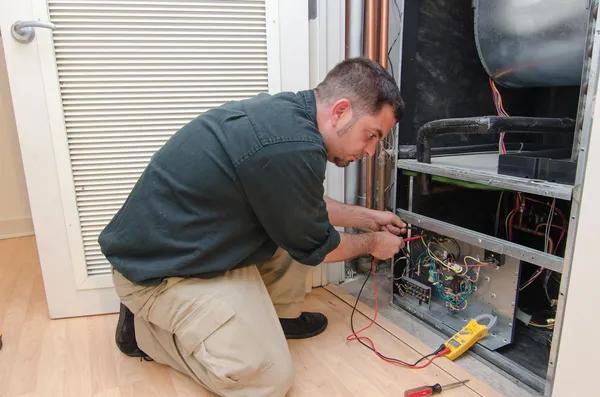
In addition to these issues, standing water within or around an HVAC unit due to a blocked drain line can cause electrical components within the system—including sensors—to malfunction or short-circuit entirely if they come into contact with moisture unexpectedly. Such electrical failures might result in frequent cycling on/off cycles (short cycling), reduced cooling capacity overall—or even complete breakdowns requiring professional repair services sooner than anticipated otherwise would have been necessary under normal operating conditions without obstructions present anywhere along drainage pathways inside/outside units themselves!
Preventative maintenance should include regular inspections/cleaning routines aimed specifically at keeping all parts free-flowing/unobstructed so that potential problems like those described above never have chance develop unchecked over time unnoticed until too late already done significant damage requiring extensive intervention fix properly again restoring full functionality expected originally designed perform reliably year after year ongoing basis long-term satisfaction guaranteed every homeowner deserves enjoy peace mind knowing their investment protected well cared maintained responsibly proactively addressing small concerns prevent big headaches future!